

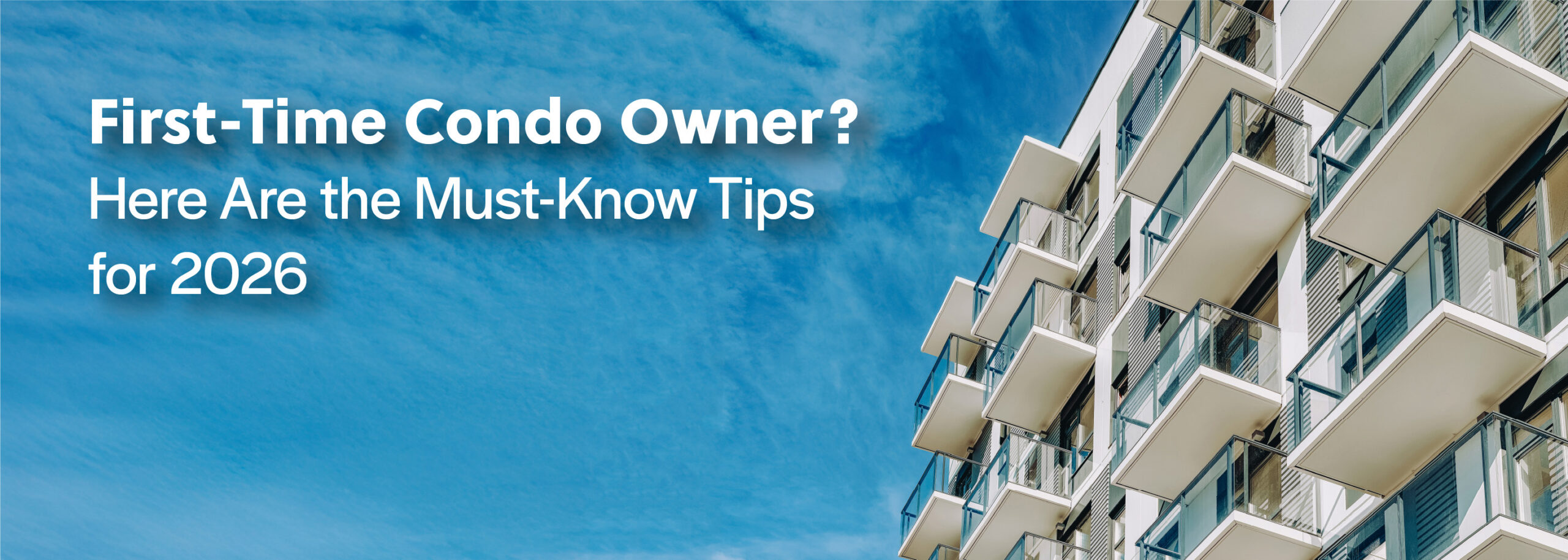
So you’ve just bought a condo. First, congratulations. Whether you plan to eventually into a house, or plan to turn your unit into a forever home, there’s a lot to learn when joining a new community. Along with learning the ins and outs of your unit and building, condo owners need to understand what they’re responsible for when damage occurs, how to communicate with the community’s governing bodies, what level of involvement in the community the condo association has, and more.
In this article, we’ll go over a few of the most important insights that will help new condo owners get their feet under them.
Condo Owner Associations (COAs)
Much like a neighborhood for single-family homes might have a Homeowners Association, a condo building can also have a Condo Association (COA) that owners opt-in to when purchasing the unit. The association oversees the maintenance of common areas and amenities, holds regular meetings and plans events for the community.
When joining a COA, owners pay assessments to the association to help the community maintain the building and common areas, and must follow the community’s governing documents, including:
- Covenants, Conditions, and Restrictions (CC&Rs)
- Articles of Incorporation
- Bylaws
Prospective condo owners should receive these documents when looking into these properties. Owners who fail to follow the established guidelines may be subject to penalties, including fines.
The Board and Committees
When learning about your new condo community, it’s important owners get an understanding of the association’s governing bodies.
A COA will typically be structured similarly to a HOA, with a volunteer board of directors working on behalf of the community to maintain the community’s quality of life and enforce the rules outlined in the associations governing documents.
Along with the board, there may be committees meant to facilitate social events for residents or review proposed unit customization from homeowners. New owners can learn about these committees by review governing documents or by asking members of the board through email or during an open forum at a meeting.
Unit Maintenance
New owners need to identify who is responsible for maintaining what throughout the building. Typically, the COA will maintain the shared spaces outside of independently owned units. This includes shared amenities like gyms, lounges, halls, etc. along with the building’s exterior features like walls, fences, gates, and roof.
Since units are owned by the residents, owners will be responsible for maintaining most utilities inside the unit, which means repairs to unit fixtures – hardware, plumbing, flooring, etc. – are the responsibility of each owner.
Certain issues (like plumbing systems affecting two or more units) may fall under the COA’s responsibility, but it’s best practice for owners to review governing documents and the association’s bylaws to get a better understanding of how these matters will be resolved.
Communicate with Your Community
Owners should learn how the association communicates important matters to the community whether it be through mailed correspondence, email, official social media channels, etc. Learning where the association reaches out to members will help owners learn how they can communicate with the board.
Communicating with the board outside of regular meetings will give owners the chance to keep up to date with community issues.
Following community Facebook pages, and being active on services like Next Door will help owners connect with each other on a daily basis.
Adjusting to the community of a condo building can be daunting, but these tips will give new owners a good start at wrapping their head around the community they just joined.
If you have more questions about the Condo Association you’ve just joined, feel free to reach out to Kiwi Condo Management, where our COA management experts can help you with the in and outs of being a new condo owner.

Recent Comments